

You’re considering a property investment in Belize, perhaps drawn by the allure of the Caribbean Sea and the promise of a laid-back lifestyle. What you might not immediately connect is the intricate relationship between the health of the Belize Barrier Reef and the long-term value of your potential investment. This isn’t a story of pristine beaches and endless sunsets, but a grounded look at economic realities shaped by ecological imperatives.
The Belize Barrier Reef isn’t merely a natural wonder; it’s a fundamental economic engine for the nation. Stretching over 200 miles, it’s the largest barrier reef system in the Northern Hemisphere and a UNESCO World Heritage Site. You understand that natural assets are often exploited, but in Belize, the reef’s intrinsic value is now inextricably linked to the prosperity of its coastal communities and, by extension, its real estate market. Ignoring its ecological health is to ignore a primary driver of property demand.
Biodiversity and Ecosystem Services
Think about the functions of this massive underwater structure. It’s teeming with marine life – you’re talking about over 100 species of coral, 500 species of fish, and hundreds of invertebrates. This biodiversity isn’t just for show; it underpins critical ecosystem services. For instance, the reef acts as a natural breakwater, dissipating the energy of waves and protecting the coastline from erosion, especially during storm surges. You might enjoy a beachfront property, but without the reef buffering the sea, that property is significantly more vulnerable. This protective function translates directly into reduced insurance premiums for coastal properties and less need for costly artificial stabilization projects, ultimately preserving land value. Furthermore, the reef supports extensive mangrove forests and seagrass beds, which serve as crucial nurseries for commercially valuable fish species, thus bolstering the local fishing industry. A decline in these fish stocks would have cascading effects on local economies and, consequently, on the desirability of living in these areas.
Tourism: The Primary Economic Driver
You’ve probably considered Belize for its tourism potential, and rightly so. Tourism is Belize’s largest industry, generating a substantial portion of its GDP, and the reef is the undisputed star attraction. Think about the scuba diving, snorkeling, and fishing charters – all directly dependent on a vibrant reef ecosystem. A healthy reef means clear waters, abundant marine life, and attractive dive sites, translating into steady tourist arrivals. When tourists choose Belize, they’re often choosing the reef experience. If the reef degrades, if coral bleaching becomes widespread, or if fish populations plummet, your primary source of economic activity weakens. Fewer tourists mean less demand for hotels, fewer jobs for locals, and ultimately, a softened real estate market. The perceived value of a second home in a popular tourist destination like Placencia or Ambergris Caye is directly tied to the sustained allure of its natural environment, particularly the reef. You’re not just buying a piece of land; you’re buying into an ecosystem that drives local prosperity.
Property Demand and Reef Health: A Direct Correlation
You might wonder how directly the health of a coral reef impacts your property’s value. The connection is not abstract; it’s tangible and measurable. As environmental degradation progresses, the attractive qualities that draw buyers to Belize diminish, leading to a decrease in demand and a stagnation, or even decline, in property values. This isn’t theoretical; it’s a observed phenomenon in other marine-dependent real estate markets.
The Aesthetics of Degradation
Imagine buying a property with an ocean view, only for that view to be marred by murky waters, dead coral, and visible signs of environmental stress. The aesthetic appeal of Belize’s coastal regions is a significant selling point, and clear, vibrant waters are paramount to that appeal. When the reef suffers, the clarity of the water often declines due to increased sedimentation from coastal development or nutrient runoff. Coral bleaching events, which turn vibrant corals stark white, diminish the underwater spectacle that attracts divers and snorkelers. You’re not just buying a view; you’re investing in an experience. If that experience becomes less appealing, so does the draw of the location itself. The “paradise” narrative you’re likely buying into is fundamentally dependent on a thriving natural environment.
The Impact on Recreational Activities
The value of coastal property is often intrinsically linked to the recreational opportunities it provides. Fishing, diving, snorkeling, and boating are major drawcards for both tourists and expatriates. If fish stocks decline due to reef degradation, the allure of sport fishing diminishes. If coral reefs die off, the vibrant underwater landscapes that attract divers are lost. These aren’t minor inconveniences; they are fundamental shifts in the recreational offering of a region. You might be buying a vacation home with the intention of enjoying these activities, but if they are no longer viable, the utility and desirability of your investment are severely compromised. This directly affects the pool of potential buyers and renters, impacting your return on investment.
Infrastructure Vulnerability
Consider the protective role of the reef. In the face of intensifying storm systems, the reef acts as your first line of defense. Without it, coastal erosion accelerates, and properties become more susceptible to damage from storm surges and higher wave action. The costs associated with protecting your property – think seawalls, beach nourishment, or increased insurance premiums – escalate significantly. You might save money on a property today, but incur substantial future costs due to a compromised natural defense system. This increased vulnerability translates into higher risk assessments by insurers and lenders, potentially making it more difficult to obtain financing or driving up the cost of ownership.
Conservation Efforts and Their Economic Imperative
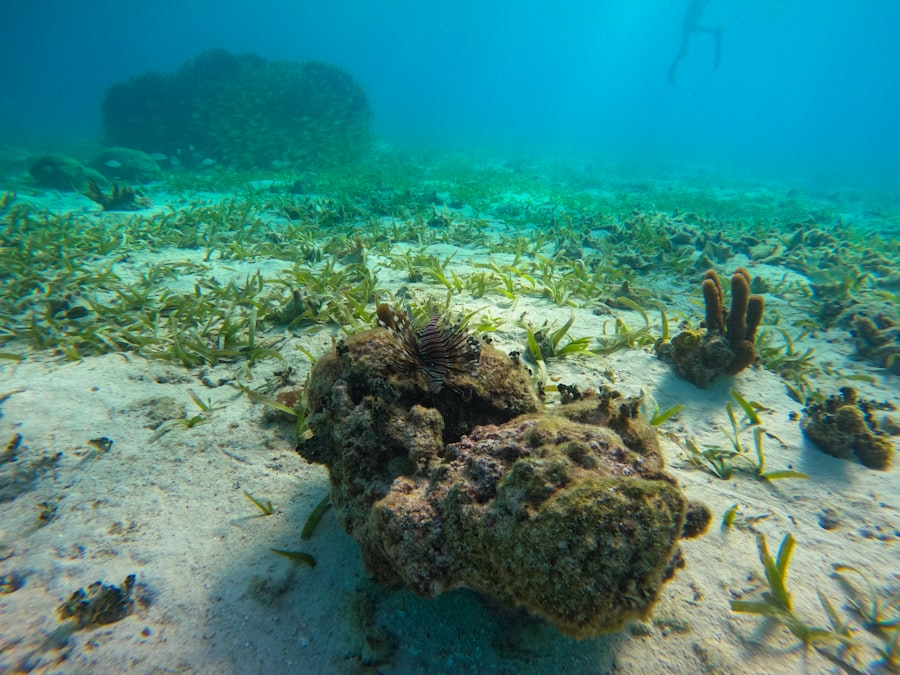
You should recognize that the Belizean government, along with numerous NGOs, is actively engaged in conservation efforts. These aren’t just altruistic endeavors; they are economically driven necessities. Protecting the reef is not just about preserving biodiversity; it’s about safeguarding the national economy and, by extension, the real estate market.
Marine Protected Areas
Belize has established an extensive network of Marine Protected Areas (MPAs), which encompass a significant portion of the Barrier Reef System. These areas often restrict certain activities like commercial fishing or provide strict guidelines for tourism operations. From your perspective as a potential investor, these MPAs are vital for long-term sustainability. They act as nurseries for fish populations, allowing species to recover and replenish surrounding areas, including those open to fishing. Think of them as investment portfolios for biodiversity. While they may impose some restrictions, they ultimately ensure the continued health of the ecosystem that attracts people to Belize in the first place, thus preserving the value proposition of coastal property. Ignoring these designations and their rationale would be a misstep in your due diligence.
Sustainable Tourism Practices
You’ll notice a growing emphasis on sustainable tourism in Belize. This includes initiatives like lionfish culling, coral restoration projects, and codes of conduct for tour operators. These aren’t just feel-good campaigns; they are critical for maintaining the reef’s health and, therefore, the attractiveness of Belize as a tourist destination. Operators who adhere to sustainable practices, such as designated mooring buoys to prevent anchor damage and limitations on visitor numbers at sensitive sites, contribute to the long-term viability of the tourism industry. As an investor, you want to see these practices enforced because they directly protect the asset that underpins your investment. A tourism industry that destroys its own resource is unsustainable, and your property investment would suffer alongside it.
Coastal Zone Management
Effective coastal zone management is also paramount. This involves regulating development, managing waste, and addressing runoff from agricultural and urban areas. Uncontrolled development, inadequate sewage treatment, and sedimentation from land-based activities are significant threats to reef health. When you consider a property, it’s worth investigating the local government’s approach to these issues. Are there robust environmental impact assessments for new developments? Are wastewater treatment facilities adequate? These factors, while seemingly mundane, have a direct bearing on water quality and reef health, and therefore on the long-term desirability and value of coastal properties.
Investment Considerations: Beyond the Brochure
As you evaluate potential properties, consider that the long-term value is not just about the structure itself or the immediate surroundings, but about the broader ecological health of the region. A property in a degraded environment will struggle to maintain its value, regardless of its initial appeal.
Due Diligence: Environmental Factors
Your due diligence should extend beyond cadastral surveys and structural inspections. Inquire about local environmental regulations, the proximity to protected areas, and the local waste management infrastructure. Are there ongoing conservation initiatives in the area? What are the perceived threats to the local marine environment? Understanding these factors will provide a more comprehensive picture of the long-term sustainability of your investment. You wouldn’t buy a house next to a garbage dump; likewise, you should be critical of areas experiencing significant environmental stress.
The “Green” Premium
You may also find that properties in areas known for strong environmental stewardship and proximity to healthy marine environments command a “green premium.” Buyers are increasingly willing to pay more for properties that offer access to pristine natural beauty and contribute to sustainable practices. This is not philanthropy; it’s recognizing that environmental health directly translates into quality of life and long-term asset value. As the global awareness of climate change and environmental degradation grows, properties in ecologically robust areas will likely appreciate faster and retain their value more effectively.
Future Outlook: Risk and Opportunity
The future of property demand in Belize is inextricably linked to the future of the Barrier Reef. You are not just making a short-term acquisition; you are investing in a future where either careful stewardship or reckless disregard will define the economic landscape.
Climate Change and Resilience
You cannot ignore the elephant in the room: climate change. Rising ocean temperatures contribute to coral bleaching, and increased storm intensity poses a direct threat to coastal infrastructure. However, a healthy reef system is inherently more resilient. Diverse and robust coral communities have a better chance of recovering from bleaching events, and intact reefs continue to provide their protective services more effectively against stronger storms. Investing in a region committed to reef conservation is, in essence, investing in climate resilience for your property. Conversely, properties in areas with degraded reefs will be significantly more vulnerable to the impacts of climate change, which will inevitably be reflected in their long-term market value and insurability.
The Shifting Narrative of Value
The narrative around property value is shifting from purely aesthetic appeal to a more holistic understanding that includes ecological health. You might be accustomed to evaluating properties based on square footage, amenities, and location relative to services. Now, you must add “ecological integrity” to that list of critical factors, particularly in a location like Belize where the natural environment is the primary draw. The discerning buyer is increasingly aware of these connections. You’re not just buying a piece of land; you’re buying a stake in a thriving ecosystem, or a declining one. The choice impacts your financial future in Belize. The Belize Barrier Reef’s health is not a peripheral concern for potential property owners; it is a central determinant of long-term property demand and value. Your investment will either benefit from or suffer because of its fate.
FAQs
What is the Belize Barrier Reef Effect?
The Belize Barrier Reef Effect refers to the phenomenon where environmental conservation efforts, particularly those focused on protecting the Belize Barrier Reef, drive property demand in the surrounding areas.
How does environmental conservation impact property demand in Belize?
Environmental conservation efforts, such as those aimed at protecting the Belize Barrier Reef, can lead to increased property demand in Belize due to the appeal of living in a pristine natural environment and the potential for eco-tourism and sustainable development.
What are the benefits of property demand driven by environmental conservation?
Property demand driven by environmental conservation can lead to increased investment in sustainable development, eco-friendly infrastructure, and conservation efforts, ultimately contributing to the preservation of the natural environment and the local economy.
What are the potential challenges associated with property demand driven by environmental conservation?
Challenges associated with property demand driven by environmental conservation may include the need for responsible and sustainable development practices, potential impacts on local communities and ecosystems, and the risk of overdevelopment and environmental degradation.
How can stakeholders balance property demand with environmental conservation in Belize?
Stakeholders can balance property demand with environmental conservation in Belize by implementing sustainable development practices, engaging in community-based conservation efforts, promoting eco-friendly tourism, and enforcing regulations to protect the natural environment while meeting the needs of property investors.