

Looking to dive into the amazing underwater world of Belize and wondering what fish you’ll encounter? In short, Belize is home to a staggering array of fish species, from tiny, brightly colored reef dwellers to majestic, open-ocean giants. You’ll find everything from commonly seen angelfish and parrotfish to more elusive sharks and rays, living in vibrant coral reefs, seagrass beds, mangrove channels, and the deep blue.
Belize’s barrier reef, the second-largest in the world, is an absolute hotspot for marine life. It’s a bustling underwater metropolis where countless fish find food, shelter, and mates.
Angelfish and Butterflyfish: The Reef’s Art Gallery
These are some of the most visually stunning inhabitants of the reef. You’ll recognize them by their vibrant colors and intricate patterns.
- Queen Angelfish: Truly regal with its electric blue and yellow, often seen
swimming solo or in pairs. It’s an iconic reef fish.
- French Angelfish: Darker in color with bright yellow-orange accents,
especially as juveniles. They tend to be a bit shyer than their queen
counterparts.
- Spotfin Butterflyfish: Easily identified by the black spot on their dorsal
fin, these smaller, disk-shaped fish are often seen flitting around corals.
- Banded Butterflyfish: With distinct black vertical bands on a white
background, these are also common and quite active.
Parrotfish and Surgeonfish: Reef Gardeners
These fish play a crucial role in the health of the reef. Parrotfish, with their beak-like mouths, graze on algae and coral, helping to keep the reef clean and healthy, while surgeonfish also keep algal growth in check.
- Queen Parrotfish: One of the larger and more colorful parrotfish,
displaying a mix of blues, greens, and pinks. You might hear their crunching
sounds as they feed.
- Stoplight Parrotfish: Known for its distinct color changes as it matures,
often starting red-orange and transitioning to blue-green with prominent
yellow and orange markings.
- Blue Tang: Famous from “Finding Dory,” these bright blue surgeonfish are
common, often seen in large schools.
- Doctorfish: A more subdued gray or brown surgeonfish with a distinctive
scalpel-like spine at the base of its tail.
Groupers and Snappers: Predators of the Reef
These are among the more sought-after fish for both sport fishing and culinary experiences, but they’re also vital components of the reef ecosystem.
- Nassau Grouper: Once very common, now critically endangered, these large,
camouflaged fish are apex predators on the reef. Seeing one is a special
treat.
- Black Grouper: Another large, predatory grouper, known for its ability to
change its coloration to blend in with its surroundings.
- Lane Snapper: A smaller, reddish-pink snapper with distinctive yellow
stripes and spots.
- Schoolmaster Snapper: Often found in schools (hence the name), these are
brownish-yellow with vertical bands. They’re more active during the day.
Elusive and Majestic Deep-Water and Migratory Species
Beyond the immediate reef, the deeper waters and migratory paths around Belize host an entirely different set of impressive fish. These often require specific expeditions or a bit of luck to spot.
Sharks of Belize: From Reef to Open Ocean
Belize is a fantastic place to encounter sharks, many of which are harmless to humans and crucial for maintaining ocean health.
- Nurse Shark: Commonly seen resting on the sandy bottom or under ledges.
These bottom-feeders are generally docile and an easy species to spot while
snorkeling or diving.
- Caribbean Reef Shark: More active and inquisitive than nurse sharks, these
are true reef predators. While they look intimidating, they generally pose no
threat to divers.
- Whale Shark: The largest fish in the world, these gentle giants are
filter feeders. They visit Belize primarily between March and June, gathering
near Gladden Spit for mutton snapper spawning events – a bucket-list
experience for many.
- Hammerhead Shark (Scalloped & Great): Less common to spot than reef
sharks, but they do inhabit Belizean waters, typically in deeper areas or
during specific times. Their distinctive head shape is unmistakable.
Rays and Skates: Gliding Through the Water
These cartilaginous fish are relatives of sharks and are fascinating to watch as they glide gracefully through the water.
- Southern Stingray: Frequently encountered in sandy areas, often partially
buried. While they have a venomous barb, they are not aggressive; just be
mindful of where you step.
- Spotted Eagle Ray: A truly magnificent sight, these rays have dark bodies
with white spots and can grow quite large. They often swim in open water,
flapping their wing-like fins.
- Manta Ray: Though rarer than eagle rays, mantas do pass through Belizean
waters, especially in nutrient-rich areas. Their sheer size is awe-inspiring.
Pelagic Predators: Hunters of the Open Sea
These are the fast-swimming fish that often chase baitfish schools and are prized by sport fishermen.
- Mahi-Mahi (Dorado): Known for their striking colors (greens, blues, and
yellows) and incredible speed, these are highly migratory.
- Wahoo: Another swift, open-ocean predator with distinctive vertical bands
and a reputation for hard fighting.
- Tuna (Yellowfin, Blackfin): Tuna species are present, especially further
offshore, known for their incredible power and torpedo-like bodies.
Mangrove and Freshwater Inhabitants
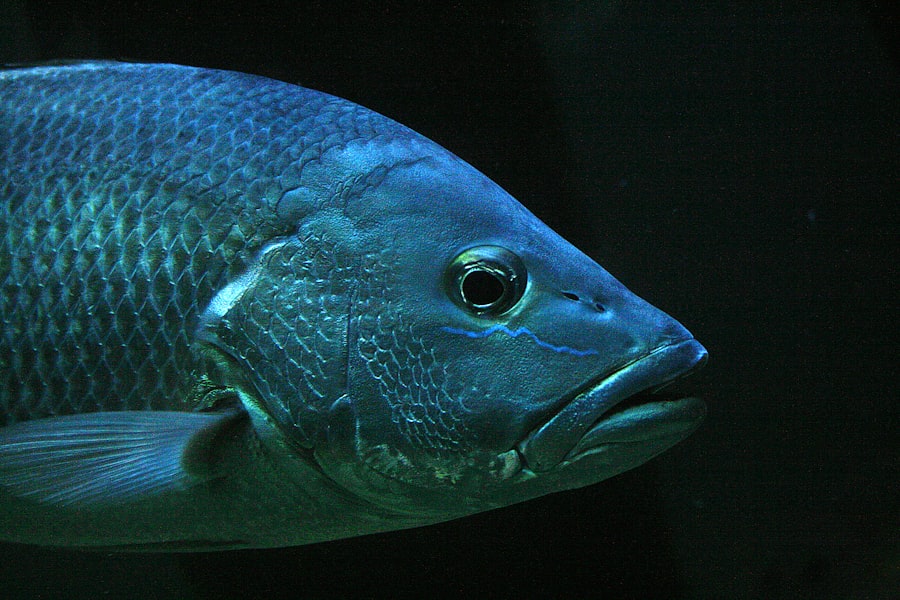
Belize’s ecosystem isn’t just about coral reefs. Its extensive mangrove forests, river estuaries, and even some inland freshwater systems host a unique array of fish adapted to these different environments.
Mangrove Nurseries: A Haven for Juveniles
Mangroves are critical fish nurseries, providing protection from predators and abundant food for young fish before they venture out to the reef or open ocean.
- Snappers (juvenile): Many snapper species, like mangrove (grey) snapper
and schoolmaster snapper, spend their early lives in the protected waters of
the mangroves.
- Tarpon (juvenile): Young tarpon, known for their impressive silver scales
and fighting ability, are often found in mangrove lagoons.
- Barracuda (juvenile): While adults are typically on the reef or open
water, juvenile barracuda lurk in the mangroves, perfecting their ambush
predator skills.
Estuary and Riverine Fish: Blending Salinities
Fish in these areas are often euryhaline, meaning they can tolerate a wide range of salinities, from fresh to salt water.
- Jewfish (Goliath Grouper): While primarily a saltwater fish, large
juvenile goliath groupers can sometimes be found in brackish estuaries. These
can grow to immense sizes.
- Snook: An iconic estuarine fish, often found at the mouths of rivers and
around mangrove roots. They are highly sought after by anglers.
- Mojarra: Several species of mojarra are common in shallow, sandy or muddy
bottoms within estuaries and sometimes even moving into freshwater.
Freshwater Fish: Hidden Gems Inland
While Belize is famous for its marine life, its rivers and streams also harbor interesting fish species.
- Tilapia: Non-native, but very common in many of Belize’s freshwater
rivers and ponds, especially near human settlements.
- Cichlids: Belize has several native cichlid species, including the
colorful “Mayaheros urophthalmus” (Mayan Cichlid) and species of “Cribroheros”. They are known for their parental care and vibrant patterns.
- Pimelodella catfishes: Various small, benthic (bottom-dwelling) catfish
species can be found in the rivers and streams.
Unique and Lesser-Known Inhabitants
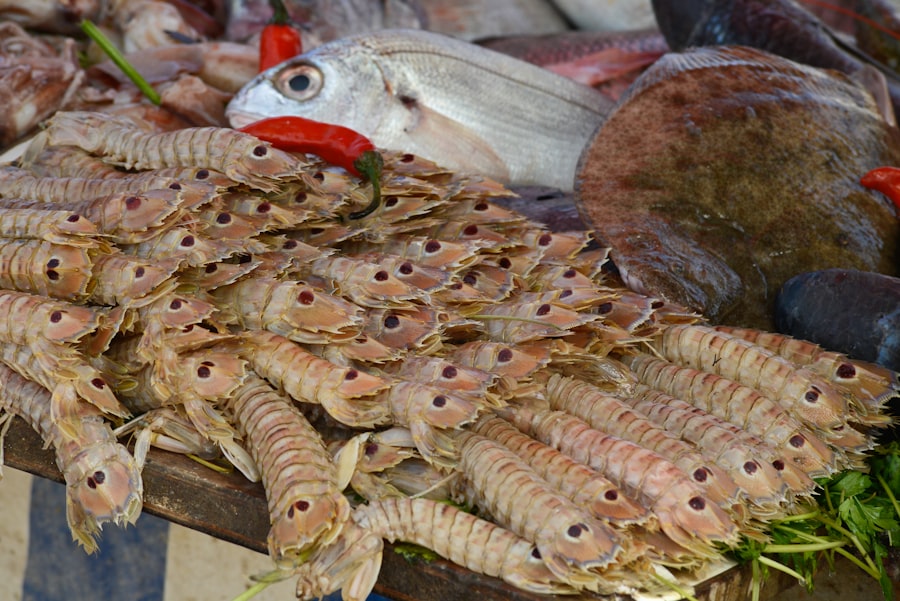
Beyond the common and the colossal, Belize is home to some truly interesting and sometimes overlooked fish species that add to its rich biodiversity.
Moray Eels: The Reef’s Hidden Hunters
Often misunderstood, moray eels are captivating creatures of the reef, typically shy and only striking if they feel threatened.
- Green Moray Eel: Surprisingly not always green, they appear green due to a
yellowish mucous coating on a blueish body. They can grow quite large.
- Spotted Moray Eel: Adorned with dark spots on a lighter body, they are
smaller and frequently seen peering out from rocky crevices.
- Chain Moray Eel: Distinctive with a chain-link pattern, these smaller eels
are often found in shallower reef areas.
Trumpetfish and Cornetfish: Masters of Camouflage
These slender, elongated fish are experts at blending in with their surroundings, often mimicking sticks or floating debris.
- Trumpetfish: Often seen hanging vertically, head down, mimicking a piece
of coral or seagrass. They ambush smaller fish.
- Cornetfish: Similar in shape but often longer, they have a prominent long
filament trailing from their tail fin.
Seahorses and Pipefish: Delicate Dwellers
These delicate, cryptic fish are hard to spot but are truly special finds for divers and snorkelers.
- Lined Seahorse: The most common seahorse species in Belize, found in
seagrass beds or among gorgonian corals. Their camouflage is superb.
- Dwarf Seahorse: Tiny, often less than an inch, making them incredibly
difficult to spot. They cling to seagrass or hydroids.
- Sargassum Pipefish: Found within floating Sargassum seaweed mats, these
pipefish are masters of disguise, blending perfectly with their environment.
Conservation and Responsible Viewing
Belize is deeply committed to protecting its incredible marine resources. As visitors, our actions play a crucial role in maintaining this biodiversity.
Protecting Precious Habitats
The diversity of fish in Belize relies directly on the health of its varied habitats: coral reefs, seagrass beds, and mangrove forests.
- Reef Health: Avoid touching corals, anchoring on reefs (use mooring
buoys), and using sunscreens containing oxybenzone and octinoxate, as these
chemicals harm coral.
- Mangrove Preservation: Mangroves act as vital fish nurseries and coastal
protection. Support efforts to protect and restore these critical ecosystems.
- Seagrass Beds: These are important foraging grounds and nurseries. Be
mindful when boating or swimming not to damage them.
Sustainable Practices
Choosing tour operators who prioritize sustainability and adhering to local regulations helps ensure these fish populations thrive for future generations.
- No Touching or Feeding: Never touch marine life or feed wild fish. It can
stress them, alter their natural behaviors, and even make them sick.
- Responsible Fishing: If you’re sport fishing, practice catch and release
for vulnerable species, follow size and bag limits, and use appropriate gear.
- Support Local Conservation: Consider contributing to local organizations
dedicated to marine research and conservation in Belize.
Belize’s underwater world is a treasure trove of biodiversity. Whether you’re an experienced diver, a casual snorkeler, or just someone fascinated by marine life, the sheer variety of fish species you can encounter here is truly remarkable. Each dive or snorkel offers a new opportunity to witness these incredible creatures in their natural habitat, making every visit a unique and unforgettable experience. Remember to always observe with respect and help preserve this precious environment.