

Lighthouse Reef is a stunning atoll located off the coast of Belize, known for its breathtaking natural beauty and rich biodiversity. This remote paradise is part of the Belize Barrier Reef Reserve System, a UNESCO World Heritage Site, and is often celebrated for its unique geological features and vibrant marine life. The atoll is approximately 30 miles long and 10 miles wide, making it a significant area for both ecological research and recreational activities.
Visitors to Lighthouse Reef are often drawn by its pristine waters and the promise of adventure. Whether you’re an avid diver, a snorkeling enthusiast, or simply someone who appreciates the beauty of nature, Lighthouse Reef offers something for everyone. The atoll is not just a visual feast; it also plays a crucial role in the health of the marine ecosystem in the Caribbean Sea. Understanding what makes this location so special can enhance your appreciation for its natural wonders.
The Great Blue Hole: A Diver’s Paradise
One of the most iconic features of Lighthouse Reef is the Great Blue Hole, a massive underwater sinkhole that has become a mecca for divers from around the world. Measuring about 1,000 feet across and over 400 feet deep, this geological marvel is renowned for its crystal-clear waters and striking blue color. The Great Blue Hole is not just a pretty sight; it offers divers a unique opportunity to explore underwater stalactites and ancient limestone formations that date back thousands of years.
Diving in the Great Blue Hole is an experience like no other. As you descend into the depths, you’ll encounter a variety of marine life, including reef sharks, nurse sharks, and even the occasional hammerhead. The visibility is often exceptional, allowing divers to fully appreciate the stunning underwater landscape. For many, the thrill of exploring this natural wonder is heightened by the sense of adventure that comes with diving into such a mysterious and beautiful environment.
The Magnificent Coral Atolls of Lighthouse Reef
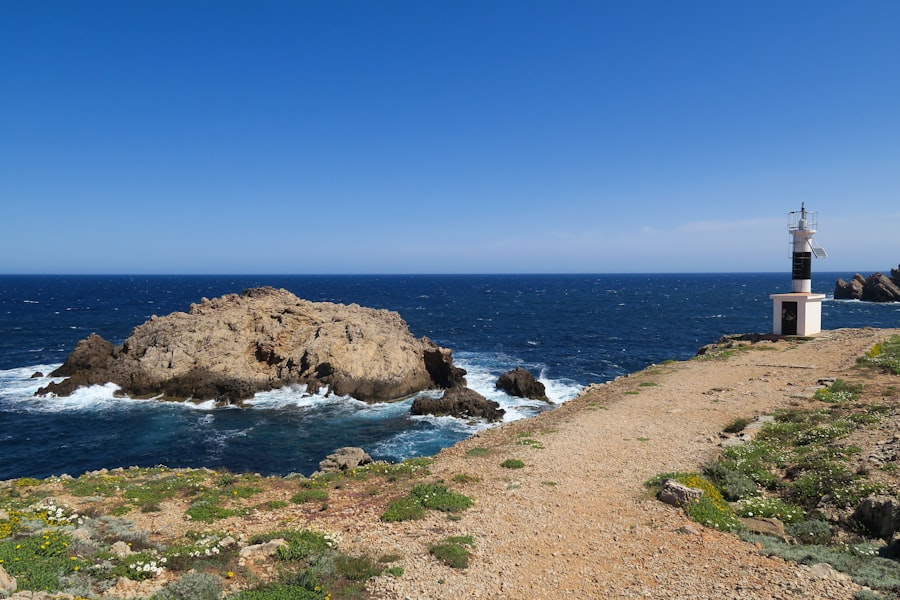
Beyond the Great Blue Hole, Lighthouse Reef is home to several other remarkable coral atolls that contribute to its ecological diversity. These atolls are characterized by their ring-shaped reefs that encircle shallow lagoons, creating a habitat for countless species of fish and other marine organisms. The vibrant coral formations are not only visually stunning but also serve as critical breeding grounds for various marine species.
The coral atolls of Lighthouse Reef are teeming with life. Snorkelers and divers can expect to see an array of colorful corals, sponges, and sea fans swaying gently in the currents. The shallow waters around these atolls provide an ideal environment for juvenile fish to grow and thrive before venturing into deeper waters. This dynamic ecosystem is essential for maintaining the overall health of the marine environment in Belize.
The Abundant Marine Life of Lighthouse Reef
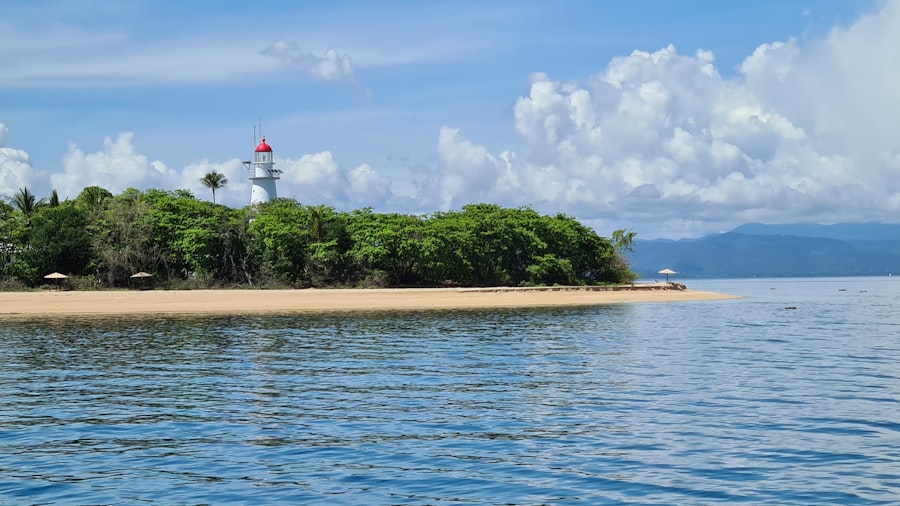
Lighthouse Reef is renowned for its rich marine biodiversity, making it a hotspot for marine enthusiasts. The waters surrounding the atoll are home to over 500 species of fish, including parrotfish, angelfish, and snapper. Additionally, you might encounter larger species such as sea turtles and rays gliding gracefully through the water. The abundance of marine life is a testament to the health of the reef system and its ability to support various organisms.
One of the most fascinating aspects of Lighthouse Reef is its role as a sanctuary for endangered species. For instance, the hawksbill turtle and the manatee can often be spotted in these waters. Conservation efforts have been put in place to protect these vulnerable species and their habitats. Observing these magnificent creatures in their natural environment adds an unforgettable dimension to any visit to Lighthouse Reef.
The Unique Ecosystem of Lighthouse Reef
The ecosystem of Lighthouse Reef is not just about its stunning visuals; it’s a complex web of interactions between various species and their environment. The coral reefs act as natural barriers that protect coastlines from erosion while providing essential habitats for marine life. This delicate balance is crucial for maintaining biodiversity and ensuring that the ecosystem remains healthy.
Moreover, the atoll’s unique geography contributes to its ecological significance. The shallow lagoons are rich in nutrients, which support phytoplankton growth—the foundation of the marine food web. This nutrient-rich environment attracts a variety of fish species, which in turn support larger predators. Understanding these relationships helps highlight the importance of preserving such ecosystems for future generations.
Exploring the Lighthouse Reef Atoll: A Visitor’s Guide
For those looking to explore Lighthouse Reef, there are several options available to make your visit memorable. Many tour operators offer day trips that include snorkeling or diving excursions to popular sites like the Great Blue Hole and nearby coral gardens. These tours often provide all necessary equipment and knowledgeable guides who can share insights about the marine life you’ll encounter.
If you prefer a more immersive experience, consider staying on one of the small islands within or near Lighthouse Reef. Accommodations range from rustic lodges to more upscale resorts, allowing visitors to choose based on their preferences and budget. Staying overnight gives you the chance to enjoy sunset views over the water and early morning excursions when marine life is most active.
Conservation Efforts at Lighthouse Reef
As beautiful as Lighthouse Reef is, it faces challenges from climate change, pollution, and overfishing. Recognizing these threats, various organizations and local governments have initiated conservation efforts aimed at protecting this vital ecosystem. Marine protected areas have been established to limit human impact on sensitive habitats while promoting sustainable tourism practices.
Community involvement plays a significant role in these conservation efforts. Local fishermen and tour operators are often engaged in initiatives that promote responsible fishing practices and environmental education. By fostering a sense of stewardship among residents and visitors alike, these efforts aim to ensure that Lighthouse Reef remains a thriving ecosystem for years to come.
The Beauty and Importance of Lighthouse Reef
In conclusion, Lighthouse Reef stands as a testament to nature’s beauty and resilience. Its stunning landscapes, diverse marine life, and unique ecosystems make it an essential part of Belize’s natural heritage. As visitors explore this remarkable atoll, they not only experience its wonders but also gain an understanding of the importance of conservation efforts in preserving such fragile environments.
Whether you’re diving into the depths of the Great Blue Hole or snorkeling among vibrant coral gardens, Lighthouse Reef offers an unforgettable experience that highlights both the beauty and fragility of our oceans. By appreciating and protecting this incredible ecosystem, we can ensure that future generations will also have the opportunity to marvel at its wonders.