

You’re likely aware of the enduring allure of the Caribbean. For decades, its pristine beaches, vibrant cultures, and favorable climate have drawn tourists and individual property buyers. However, a more significant shift is occurring beneath the surface of this idyllic image: the quiet, yet steady, influx of institutional investors. This isn’t about vacation homes; it’s about substantial capital deployment, driven by a growing recognition of the Caribbean’s potential for long-term, stable returns. As an institution, you’re looking beyond fleeting trends. You’re seeking predictable income streams, diversification, and assets that demonstrate resilience. The Caribbean, increasingly, is presenting a compelling case. This article will delve into the factors attracting institutional capital to the region, examining the opportunities, challenges, and strategies that are shaping this evolving real estate landscape.
The traditional image of Caribbean real estate, dominated by individual luxury villa purchases and boutique hotel developments, is being augmented by a new class of participants. Institutional investors, a broad category encompassing pension funds, sovereign wealth funds, private equity firms, and large asset managers, are entering the market with a fundamentally different approach. Their decision-making processes are rooted in rigorous due diligence, sophisticated risk assessment, and a commitment to long-term portfolio growth. This evolution signifies a maturation of the Caribbean real estate market, moving from niche appeal to a more mainstream investment proposition.
The Drivers of Institutional Interest
Several core motivations are propelling institutional investors towards the Caribbean. These aren’t arbitrary decisions; they are calculated responses to global economic conditions and the identified strengths of the region.
Diversification and Risk Mitigation
In a globalized financial world, diversification is a cornerstone of prudent investment strategy. Institutions are constantly seeking to reduce their exposure to single markets or asset classes. The Caribbean, with its distinct economic drivers and relatively uncorrelated performance to many major global markets, offers a valuable diversification opportunity. While not immune to global shocks, its economic cycles can often differ, providing a buffer against downturns experienced elsewhere.
Search for Yield in a Low-Interest-Rate Environment
For a considerable period, many developed economies have experienced historically low interest rates. This has squeezed returns on traditional fixed-income assets, pushing institutional capital towards riskier or more alternative investments in search of higher yields. Caribbean real estate, particularly in sectors with consistent demand, can offer attractive rental income and potential for capital appreciation that surpasses what’s available in more established markets.
Long-Term Growth Potential
Beyond immediate yield, institutional investors are keenly interested in long-term growth trajectories. The Caribbean, with its growing middle class, increasing intra-regional travel, and aspirational appeal to global travelers, presents opportunities for sustained demand in key sectors. Furthermore, a rising global awareness of climate change and a desire for more sustainable lifestyles could also play into the region’s long-term favor, as certain types of high-quality, well-managed developments cater to these evolving preferences.
Redefining “Caribbean Real Estate” for Institutions
For institutional investors, “Caribbean real estate” is not a monolithic entity. They are segmenting the market, identifying specific sub-sectors and geographic locations that align with their investment mandates. This precision is crucial for successful deployment of significant capital.
Shifting from Lifestyle to Asset Class
The perception of Caribbean property is transitioning. While the lifestyle appeal remains, institutional investors view these assets primarily through the lens of their income-generating potential and capital appreciation prospects. This means a focus on properties with robust operational management, strong occupancy rates, and clear paths to value enhancement.
The Rise of Long-Term Leases and Fund Structures
Instead of direct property ownership in the traditional sense, institutions are increasingly exploring investment through specialized funds, joint ventures, and long-term lease agreements with established developers or operators. This allows them to leverage local expertise while mitigating some of the direct operational challenges of managing assets in a foreign jurisdiction.
Key Sectors Attracting Institutional Capital
The institutional real estate market in the Caribbean isn’t a free-for-all. Capital is being strategically directed towards sectors that demonstrate clear demand, stable operating environments, and the potential for scalable growth.
Hospitality: Beyond the All-Inclusive
The hospitality sector has long been a dominant force in Caribbean real estate. However, institutional investors are looking beyond traditional all-inclusive resorts, seeking diversification and higher returns within this broad category.
Luxury and Boutique Hotels
There’s a growing demand for high-end, experiential accommodations. Institutions are investing in branded luxury hotels, boutique properties with unique character, and those that offer exclusive amenities and personalized service. These segments often command higher room rates and attract a discerning clientele with greater spending power.
Mixed-Use Developments
The concept of mixed-use is gaining traction. These developments integrate residential, retail, and hospitality components, creating vibrant communities that attract both tourists and local residents. This synergy generates multiple revenue streams and enhances the overall appeal and resilience of the project. For instance, a luxury resort might incorporate branded residences, high-end retail outlets, and upscale dining options, catering to a wider demographic and extending the economic impact throughout the year.
Extended-Stay and Serviced Apartments
Recognizing the evolving nature of travel, particularly for longer leisure trips or remote work arrangements, institutional investors are showing increased interest in extended-stay properties and serviced apartments. These offer the comfort and amenities of a hotel with the flexibility and functionality of a residential unit, appealing to a growing segment of the market that prioritizes space and convenience.
Residential: High-Net-Worth and Branded Developments
The residential sector is another area of significant institutional interest, though the focus is highly specific.
High-Net-Worth (HNW) and Ultra-High-Net-Worth (UHNW) Residential
This segment caters to the very affluent, individuals who seek exclusive properties in prime locations. This can include luxury villas, penthouses, and waterfront residences. The allure for institutions lies in the potential for capital appreciation and the consistent demand from a global, less price-sensitive buyer base.
Branded Residences
Partnering with luxury hotel brands to develop branded residences is a highly attractive proposition. These developments offer buyers the assurance of quality, service, and amenities associated with a renowned brand, often with access to hotel facilities. This model de-risks the development for the institution, as the brand’s reputation can significantly influence sales velocity and pricing.
Niche Sectors with Emerging Potential
Beyond the established categories, several niche sectors are beginning to capture the attention of forward-thinking institutions.
Medical Tourism Facilities
With a growing global emphasis on healthcare and wellness, some Caribbean islands are positioning themselves as destinations for medical tourism. This presents an opportunity for institutions to invest in specialized healthcare facilities, clinics, and associated accommodation, tapping into a growing, income-generating sector.
Sustainable and Eco-Tourism Developments
As environmental consciousness rises, investments in eco-lodges, sustainable resorts, and nature-based tourism infrastructure are becoming more appealing. These developments not only cater to a growing market segment but also align with broader ESG (Environmental, Social, and Governance) investment mandates, which are increasingly important for institutional investors. The focus here is on low-impact development, conservation efforts, and authentic local experiences.
Evaluating the Caribbean Investment Landscape
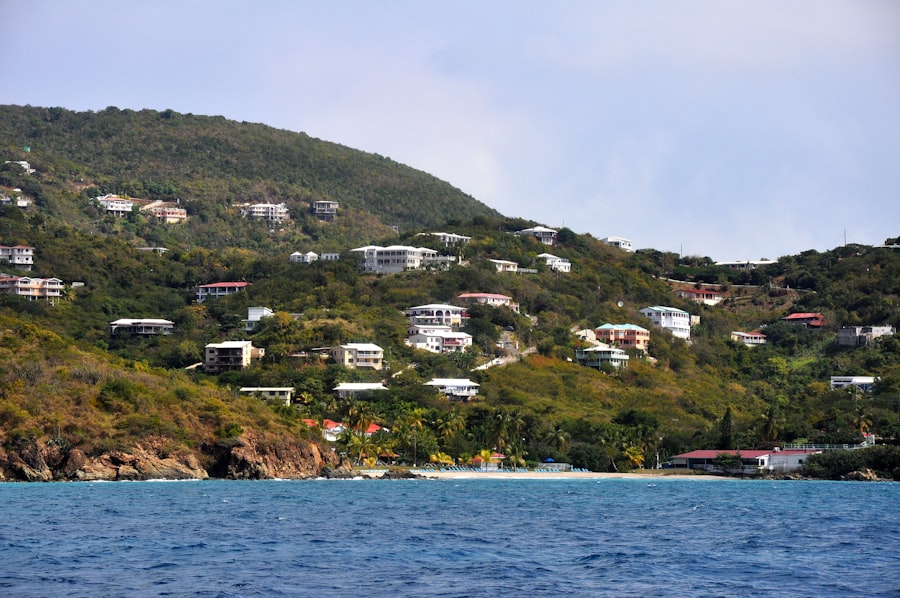
While the opportunities are compelling, institutional investors approach the Caribbean market with a pragmatic and analytical mindset. A thorough evaluation of the region’s strengths and weaknesses is paramount to mitigate risks and maximize returns.
Strengths: The Enduring Appeal and Economic Fundamentals
The Caribbean possesses a unique set of inherent advantages that continue to attract investment. These are not fleeting trends, but rather foundational elements that underpin the region’s attractiveness.
Favorable Climate and Natural Beauty
This is the most obvious and enduring strength. The consistent sunshine, clear waters, and diverse natural landscapes are a global draw for tourism and a significant factor in real estate desirability. This natural capital translates into sustained demand for hospitality and residential properties.
Political and Economic Stability (Relative)
While individual island nations may have varying levels of stability, many Caribbean countries have demonstrated a commitment to democratic governance and relatively stable economic policies. For institutional investors, this predictability is crucial. They are looking for jurisdictions where their investments are protected and where policy changes are unlikely to have a disruptive impact. The establishment of clear legal frameworks for property ownership and investment further solidifies this.
Growing Middle Class and Intra-Regional Demand
The increasing affluence within the Caribbean itself is a growing driver of demand. A rising local middle class seeks improved housing, leisure activities, and domestic tourism. Furthermore, increased connectivity and economic ties between Caribbean nations are fostering intra-regional travel and business, creating localized demand for commercial and residential spaces.
Attractive Tax Regimes
Many Caribbean nations offer attractive tax incentives for foreign investors, including lower corporate tax rates, capital gains tax exemptions, and property tax concessions. These can significantly enhance the net returns on investment, making the region more competitive compared to other global destinations.
Weaknesses and Challenges: Navigating the Complexities
No investment market is without its hurdles, and the Caribbean presents a unique set of challenges that institutions must carefully consider and plan for.
Infrastructure Deficiencies
In many parts of the Caribbean, infrastructure development, including transportation networks, utilities (power, water, internet), and waste management, can lag behind global standards. This can impact the operational efficiency of developments and increase initial capital outlay for necessary upgrades. Addressing these gaps often requires collaboration between the private sector and government entities.
Vulnerability to Natural Disasters
The Caribbean is situated in a hurricane-prone region, and seismic activity is also a consideration. The potential for damage from hurricanes, earthquakes, and other natural disasters poses a significant risk that requires robust insurance strategies and resilient construction practices. The cost of insurance premiums can be substantial, and the long-term availability of adequate coverage is a growing concern in some areas.
Regulatory Hurdles and Bureaucracy
Navigating the regulatory landscape in different Caribbean nations can be complex and time-consuming. Bureaucratic processes, varying land ownership laws, and permitting procedures can create delays and increase transaction costs. Understanding and adapting to these local nuances is essential for efficient project execution.
Currency Fluctuations and Economic Dependence
Many Caribbean economies are heavily reliant on tourism and are susceptible to fluctuations in global economic conditions, as well as currency exchange rates. While some islands utilize the US dollar, others maintain their own currencies, and volatility can impact both operational costs and investment returns.
Due Diligence: A Non-Negotiable Requirement
For institutional investors, thorough due diligence is not merely a step in the process; it’s a fundamental prerequisite. This involves a multi-faceted examination of legal, financial, environmental, and operational aspects.
Legal and Title Due Diligence
Verifying clear land titles, understanding local property laws, and ensuring compliance with all relevant legislation are paramount. This includes thoroughly reviewing purchase agreements, leases, and any development permits. Collaborating with reputable local legal counsel with a proven track record is indispensable.
Financial Feasibility and Market Analysis
This involves detailed projections of revenue, operational costs, and potential returns. Market analysis includes assessing local demand, competitor offerings, and pricing trends. For hospitality assets, this extends to occupancy rates, average daily rates (ADRs), and revenue per available room (RevPAR). For residential developments, it involves analyzing absorption rates and comparable sales data.
Environmental, Social, and Governance (ESG) Considerations
Increasingly, institutional investors are incorporating ESG factors into their investment decisions. This includes assessing the environmental impact of developments, the social benefits to local communities, and the governance structures of the operating entities. Adherence to sustainable building practices, fair labor standards, and transparent corporate governance are becoming integral to investment appraisals.
Strategies for Institutional Investment in the Caribbean

Successfully deploying capital in the Caribbean requires a nuanced and strategic approach, tailored to the unique characteristics of each island and investment opportunity.
Joint Ventures and Partnerships
Collaborating with experienced local developers, operators, or other institutional investors can significantly de-risk investments. Joint ventures allow institutions to leverage local market knowledge, established networks, and operational expertise while contributing capital and strategic guidance.
Fund Structures and Diversified Portfolios
Rather than investing in single assets, institutions often prefer to invest through diversified real estate funds that hold a portfolio of assets across multiple islands or sub-sectors. This spreads risk and offers a more balanced exposure to the Caribbean market. These funds are typically managed by experienced real estate professionals with a deep understanding of the region.
Long-Term Vision and Value Creation
Institutional investors are inherently long-term players. Their strategies are focused on creating sustainable value through prudent management, strategic upgrades, and organic growth, rather than short-term speculative gains. This involves investing in well-managed properties that can adapt to changing market conditions and investor preferences.
Focusing on Resilient Markets and Sub-Sectors
Identifying islands and sub-sectors that demonstrate resilience to economic downturns and natural disasters is a key strategic consideration. This might involve prioritizing locations with diversified economies, robust infrastructure, or specific sub-sectors like logistics or essential services, which tend to perform better during economic volatility.
The Future of Institutional Real Estate in the Caribbean
The trend of increasing institutional investment in the Caribbean real estate market is likely to continue and evolve. As the region matures as an investment destination, we can anticipate several key developments.
Continued Diversification of Investment Types
Beyond traditional real estate, institutions may explore investments in supporting infrastructure, logistics, and even specialized industries that complement the tourism and residential sectors. This could include investments in renewable energy projects or technological infrastructure that supports the growing digital economy.
Increased Focus on Sustainable Development and ESG Compliance
As global ESG mandates become more stringent, the Caribbean will see a greater demand for projects that meet high sustainability standards. Institutions will favor developments that incorporate renewable energy, water conservation, waste reduction, and social responsibility initiatives, aligning with their own corporate values and regulatory requirements.
A More Sophisticated and Transparent Market
As more institutional capital flows into the region, the market is likely to become more sophisticated and transparent. This will involve the development of standardized reporting, clearer regulatory frameworks, and more established investment vehicles, further enhancing the attractiveness of the Caribbean for global institutional investors.
Bridging the Infrastructure Gap
Significant investment will be required to address the existing infrastructure deficits. Institutions may play a role in financing and developing larger-scale infrastructure projects, such as improved airport facilities, expanded port capacities, and enhanced telecommunications networks, which will, in turn, support further real estate development.
In conclusion, while the Caribbean’s allure remains rooted in its natural beauty and desirable lifestyle, its real estate market is rapidly maturing into a sophisticated investment landscape. For institutional investors, the region now represents more than just a leisure destination; it’s a strategic opportunity for diversification, yield enhancement, and long-term capital growth. By understanding the key sectors, carefully navigating the challenges, and employing astute investment strategies, institutions can effectively unlock the considerable potential that Caribbean real estate offers.
FAQs
1. What is driving institutional investors to move into Caribbean real estate?
Institutional investors are attracted to Caribbean real estate due to the region’s stable economic growth, increasing tourism, and potential for high returns on investment.
2. What types of properties are institutional investors targeting in the Caribbean?
Institutional investors are targeting a range of properties in the Caribbean, including luxury resorts, commercial developments, and residential real estate.
3. How are institutional investors impacting the Caribbean real estate market?
The influx of institutional investors is leading to increased development and modernization of real estate in the Caribbean, as well as driving up property values in certain areas.
4. What are the potential benefits of institutional investment in Caribbean real estate?
Institutional investment in Caribbean real estate can bring improved infrastructure, job creation, and economic growth to the region, as well as providing opportunities for local businesses and communities.
5. What are the potential risks associated with institutional investment in Caribbean real estate?
Potential risks of institutional investment in Caribbean real estate include overdevelopment, environmental impact, and potential displacement of local residents. It’s important for investors to consider these factors and work with local stakeholders to mitigate any negative effects.