

The Great Blue Hole is one of the most iconic natural wonders on the planet, drawing adventurers and nature enthusiasts from all corners of the globe. Located off the coast of Belize, this massive underwater sinkhole is not just a stunning sight; it’s also a treasure trove of marine life and geological history. Spanning approximately 300 meters (1,000 feet) across and plunging to depths of around 125 meters (410 feet), the Great Blue Hole is a UNESCO World Heritage Site and a part of the Belize Barrier Reef Reserve System. Its striking blue color and unique shape make it a must-see for anyone visiting Belize.
What makes the Great Blue Hole particularly fascinating is its combination of beauty and mystery. It’s not just a pretty face; it holds secrets about Earth’s geological past and serves as a habitat for diverse marine species. Whether you’re an experienced diver or simply someone who appreciates natural beauty, the Great Blue Hole offers an experience that’s hard to match. In this article, we’ll explore its history, biodiversity, recreational opportunities, conservation efforts, and tips for making the most of your visit.
History and Formation of the Great Blue Hole
The Great Blue Hole has a rich geological history that dates back thousands of years. It was formed during the last Ice Age when sea levels were much lower than they are today. Initially, it was a limestone cave system that eventually collapsed as rising sea levels flooded the area. This transformation created the circular sinkhole we see today. The cave’s stalactites and stalagmites, remnants of its dry phase, can still be found submerged at various depths, providing a glimpse into its ancient past.
Geologists believe that the Great Blue Hole is part of a larger system of underwater caves that were once above water. Over time, erosion and geological shifts contributed to its current form. The hole is surrounded by a ring of coral reef, which adds to its allure and ecological significance. Understanding this history not only enhances our appreciation for the site but also highlights the dynamic processes that shape our planet.
Biodiversity and Marine Life in the Great Blue Hole
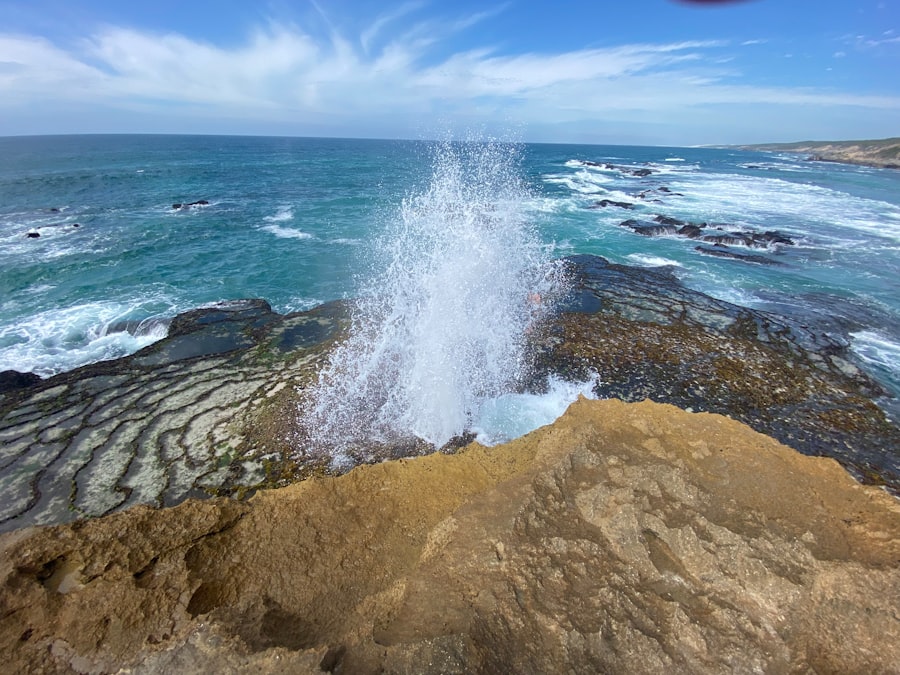
The Great Blue Hole is home to an impressive array of marine life, making it a hotspot for biodiversity. The waters are teeming with various species, including sharks, rays, and colorful fish. Divers often encounter Caribbean reef sharks and nurse sharks gliding gracefully through the water. The presence of these apex predators indicates a healthy ecosystem, as they play a crucial role in maintaining the balance of marine life.
In addition to sharks, the Great Blue Hole hosts an assortment of other species such as barracudas, groupers, and even the occasional sea turtle. The surrounding coral reefs are vibrant with life, providing shelter and breeding grounds for countless organisms. The unique underwater topography creates different habitats within the hole itself, allowing for a diverse range of species to thrive. This biodiversity is not only fascinating to observe but also essential for the overall health of marine ecosystems in the region.
Diving and Snorkeling in the Great Blue Hole
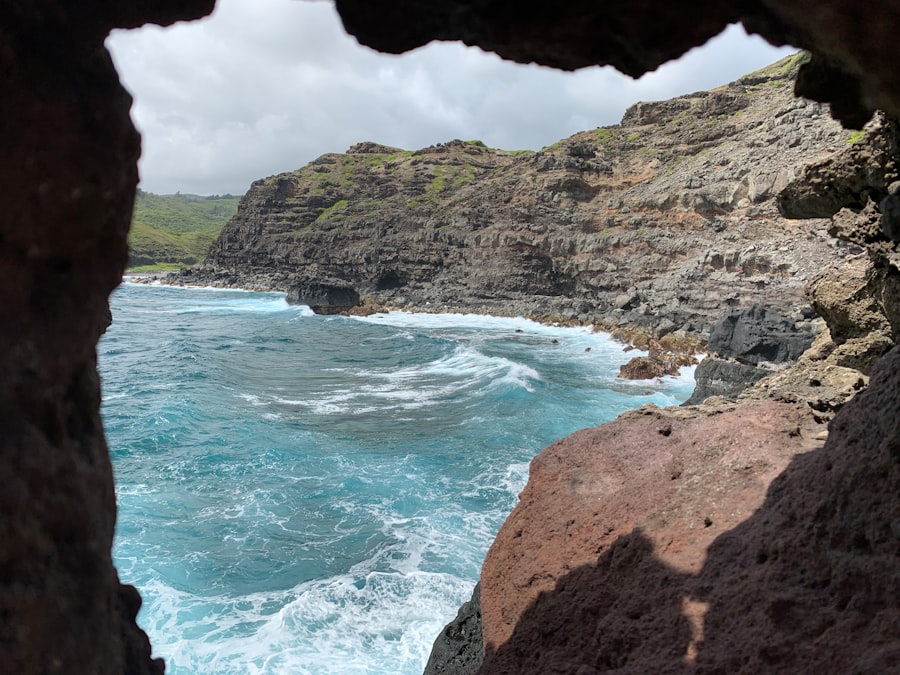
For many visitors, diving or snorkeling in the Great Blue Hole is the highlight of their trip to Belize. The experience offers an unparalleled opportunity to explore one of the world’s most famous dive sites. Divers can descend into crystal-clear waters, where they’ll be greeted by stunning underwater formations and an abundance of marine life. The visibility is often excellent, allowing for breathtaking views of the underwater landscape.
Snorkeling is also a popular option for those who may not be certified divers but still want to experience the beauty of the Great Blue Hole. Many tour operators offer snorkeling excursions that allow participants to float above the vibrant coral reefs and observe marine life from the surface. Whether you choose to dive or snorkel, both experiences provide a unique perspective on this natural wonder and create lasting memories.
Conservation Efforts and Protection of the Great Blue Hole
As with many natural wonders, conservation efforts are crucial to preserving the Great Blue Hole for future generations. The site is part of the Belize Barrier Reef Reserve System, which was designated a UNESCO World Heritage Site in 1996 due to its ecological significance. Local organizations and government agencies work together to monitor and protect this delicate ecosystem from threats such as overfishing, pollution, and climate change.
Efforts include establishing marine protected areas around the Great Blue Hole and implementing sustainable tourism practices. Education programs aim to raise awareness about the importance of preserving marine environments among both locals and visitors. By promoting responsible tourism and conservation initiatives, stakeholders hope to ensure that this remarkable site remains intact for years to come.
Popular Tours and Excursions to the Great Blue Hole
There are numerous tour operators offering excursions to the Great Blue Hole, catering to various interests and experience levels. Many tours combine diving or snorkeling at the hole with visits to nearby attractions such as Half Moon Caye or Lighthouse Reef Atoll. These excursions often include opportunities to see other marine life and enjoy beautiful beaches.
Some tours are designed specifically for divers, providing guided dives led by experienced instructors who know the area well. For those looking for a more leisurely experience, there are boat tours that allow visitors to take in the scenery while enjoying refreshments on board. Regardless of your choice, these tours provide an excellent way to explore the Great Blue Hole and its surroundings while learning more about its ecological significance.
Tips for Visiting the Great Blue Hole
If you’re planning a trip to the Great Blue Hole, there are several tips to keep in mind to enhance your experience. First, consider your level of experience with diving or snorkeling. If you’re new to diving, it might be wise to take a certification course before your trip or opt for guided snorkeling tours that cater to beginners.
Timing your visit can also make a difference. The best time to visit Belize generally falls between late November and mid-April when weather conditions are more favorable. Additionally, early morning tours often provide better visibility in the water and fewer crowds.
Lastly, don’t forget to bring along essentials like sunscreen (preferably reef-safe), a hat, and plenty of water to stay hydrated during your adventure. Respecting marine life by not touching or disturbing creatures will help preserve this incredible ecosystem for others to enjoy.
The Beauty and Wonder of the Great Blue Hole
The Great Blue Hole is more than just a stunning visual spectacle; it’s a testament to nature’s artistry and resilience. Its rich history, diverse marine life, and recreational opportunities make it a unique destination that captivates all who visit. Whether you’re diving into its depths or simply admiring it from above, there’s no denying that this natural wonder leaves a lasting impression.
As we continue to explore and appreciate places like the Great Blue Hole, it’s essential to prioritize conservation efforts that protect these fragile ecosystems. By doing so, we ensure that future generations can experience the beauty and wonder that this remarkable site has to offer. So if you find yourself in Belize, make sure to carve out some time for this extraordinary destination—you won’t regret it!