

Belize, a nation on the eastern coast of Central America, is an increasingly sought-after destination for international travelers. Its rich biodiversity, ancient Mayan ruins, and vibrant Creole culture present a unique tapestry of experiences. Planning your summer vacation to Belize requires a methodical approach to maximize your enjoyment and ensure a seamless journey.
Your summer vacation in Belize coincides with its rainy season. While this might initially seem unappealing, it is crucial to understand its nuances.
A. Assessing the Rainy Season
The “rainy season,” from June to November, does not imply continuous downpours. Rather, it typically manifests as short, intense showers, often in the late afternoon or overnight, leaving ample daylight for activities. This period is also characterized by higher humidity and warmer temperatures, generally ranging from 80-90°F (27-32°C).
B. Hurricane Season Considerations
Within the rainy season lies the Atlantic hurricane season, officially running from June 1 to November 30. While direct hits are infrequent, potential tropical depressions or storms can impact travel. You should monitor weather forecasts diligently in the weeks leading up to and during your trip. Travel insurance that covers weather-related disruptions is a prudent investment.
C. Visa and Entry Requirements
For citizens of most Western countries, including the United States, Canada, and the European Union, a visa is not required for stays of up to 30 days. You will need a valid passport with at least six months’ validity beyond your intended departure date. Proof of onward or return travel is also typically required. Upon arrival at the Philip S. W. Goldson International Airport (BZE) in Ladyville, you will clear immigration and customs.
D. Currency and Banking
The official currency is the Belize Dollar (BZD), pegged at 2 BZD to 1 USD. While US dollars are widely accepted, especially in tourist areas, it is advisable to carry some local currency for smaller purchases and in more remote locations. Automated Teller Machines (ATMs) are available in major towns and cities. Credit cards, particularly Visa and Mastercard, are accepted at most hotels, restaurants, and larger shops. However, smaller establishments, especially in rural areas or on the cayes, may operate on a cash-only basis. Inform your bank of your travel plans to avoid card suspensions.
II. Crafting Your Belizean Itinerary: Balancing Adventure and Relaxation
Belize offers a multifaceted experience. Your itinerary should reflect your personal preferences, whether you seek exhilarating adventures or tranquil repose.
A. Coastal and Caye Exploration
Belize’s coast and its numerous cayes (islands) are renowned for their marine ecosystems.
1. Ambergris Caye and San Pedro
As Belize’s largest island, Ambergris Caye offers a blend of vibrant nightlife and access to the Belize Barrier Reef. San Pedro, its main town, is a hub for diving, snorkeling, and sailing excursions. The island offers a range of accommodations, from luxury resorts to budget-friendly guesthouses. Golf carts are the primary mode of transportation.
2. Caye Caulker
A more laid-back alternative to Ambergris Caye, Caye Caulker embraces the motto “Go Slow.” Its unpaved streets and relaxed atmosphere attract backpackers and those seeking a less commercialized experience. A popular activity is snorkeling or diving at the Hol Chan Marine Reserve and Shark Ray Alley, where you can encounter abundant marine life, including nurse sharks and stingrays.
3. Placencia Peninsula
This narrow, sandy peninsula in southern Belize boasts some of the country’s most beautiful beaches. It is an excellent base for accessing the outer cayes, the Belize Barrier Reef, and the Jaguar Preserve. Placencia Village offers a charming, walkable environment with diverse dining options.
B. Inland Adventures: Jungle and Mayan History
Beyond the coast, Belize’s interior is a verdant tapestry of rainforests, rivers, and ancient civilizations.
1. Exploring Mayan Ruins
Belize is home to numerous Mayan archaeological sites, each offering a distinct historical perspective.
a. Caracol
This monumental site, one of Belize’s largest, features the impressive pyramid of Caana (“Sky Palace”), offering panoramic views of the surrounding jungle. Reaching Caracol often involves a scenic, albeit sometimes rugged, journey through the Chiquibul Forest Reserve.
b. Xunantunich
Located near San Ignacio, Xunantunich (“Stone Woman”) is accessible via a hand-cranked ferry across the Mopan River. El Castillo, its main pyramid, provides commanding views of the Mopan River Valley and even into Guatemala.
c. Lamanai
Reached primarily by boat up the New River, Lamanai (“Submerged Crocodile”) offers a unique arrival experience, often accompanied by wildlife sightings such as monkeys and crocodiles. Its well-preserved structures and jungle setting create an immersive historical experience.
2. Jungle Activities
The interior provides opportunities for a variety of activities that immerse you in the natural environment.
a. Cave Exploration
Belize boasts numerous cave systems, many of which were sacred to the ancient Maya. Actun Tunichil Muknal (ATM) Cave is a prominent archeological site and a physically demanding tour that includes swimming, climbing, and exploring ancient Mayan artifacts and sacrificial remains. Other notable caves include Barton Creek Cave and Blue Hole National Park’s St. Herman’s Cave.
b. Zip-lining and River Tubing
Adrenaline seekers can experience the rainforest canopy through zip-lining tours, often combined with river tubing adventures down jungle rivers, offering a refreshing way to observe the flora and fauna.
c. Wildlife Encounters
Belize’s rainforests are teeming with biodiversity. Guided nature walks or birdwatching tours can introduce you to howler monkeys, toucans, jaguars (more elusive, but present), and a multitude of other species. Consider visiting wildlife sanctuaries such as the Community Baboon Sanctuary.
C. Cultural Immersion and Local Experiences
Beyond the natural attractions, Belize’s cultural fabric is a significant part of its appeal.
1. Garifuna Culture in Dangriga and Hopkins
The Garifuna people, descendants of African and indigenous Carib and Arawak people, have a rich and distinct cultural heritage. Visiting Dangriga or Hopkins offers opportunities to experience Garifuna drumming, dance, and cuisine. Placencia also has a strong Garifuna presence.
2. Creole Heritage
The dominant cultural group in Belize is Creole, a blend of African and European influences. Engaging with local communities, trying traditional Creole dishes like stew chicken with rice and beans, and visiting local markets provide insight into this vibrant culture.
3. Mennonite Communities
Inland Belize is home to several conservative Mennonite communities, notably in Spanish Lookout and Shipyard. While direct interaction might be limited due to their insular nature, observing their traditional agricultural practices and simple lifestyles offers a unique cultural perspective.
III. Practical Considerations for a Smooth Journey
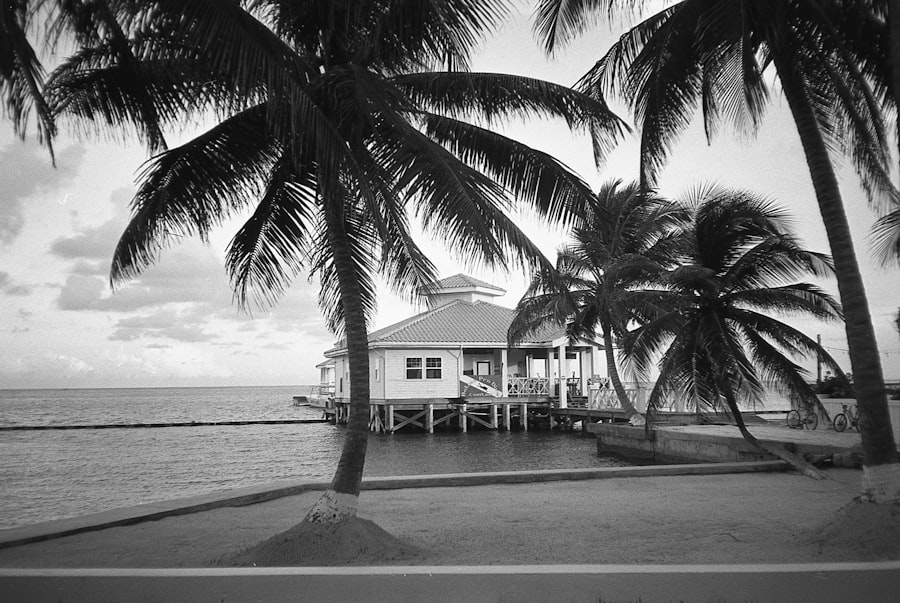
A well-organized trip enhances your overall experience.
A. Accommodation Selection
Belize offers a spectrum of accommodations, from rustic eco-lodges to opulent resorts. Research and book your accommodations in advance, especially during peak travel periods, to secure your preferred options. Consider the amenities offered, such as air conditioning (a significant advantage during summer humidity) and proximity to your planned activities.
B. Transportation Within Belize
Navigating Belize can be an adventure in itself.
1. Domestic Flights
Tropic Air and Maya Island Air offer reliable domestic flights between major destinations, such as Belize City, San Pedro, Caye Caulker, Placencia, and Dangriga. These “puddle jumpers” offer scenic views and significantly reduce travel time compared to road or water transport.
2. Water Taxis
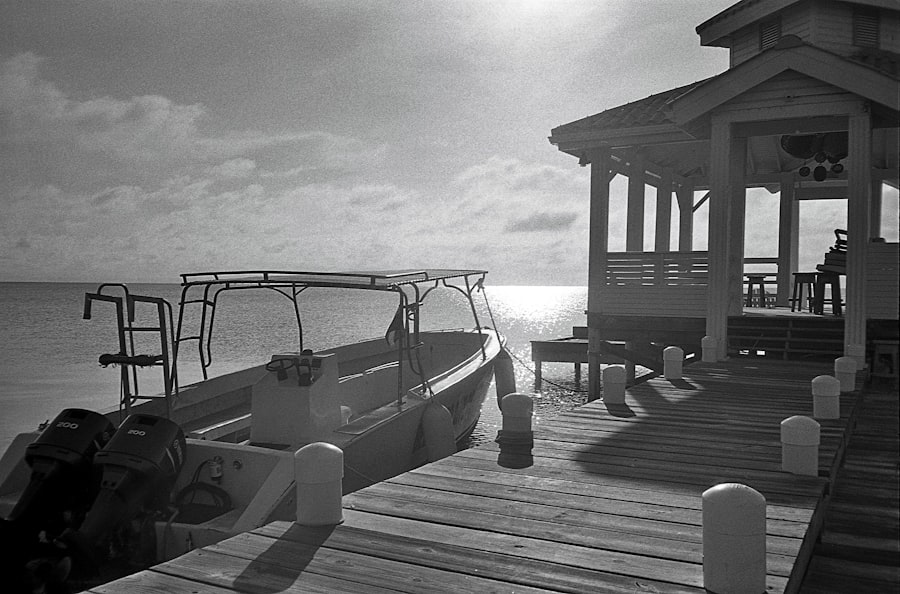
For travel to the cayes, water taxis are the primary mode of transport. Several companies operate regular services from Belize City to Ambergris Caye and Caye Caulker.
3. Buses and Shuttles
Public buses are a cost-effective option for inter-district travel on the mainland. They are often repurposed American school buses, offering a cultural experience of sorts. Private shuttles offer a more comfortable and direct alternative, especially for groups or those with specific time constraints.
4. Car Rental
Renting a car provides flexibility, particularly for exploring the mainland’s Mayan ruins and national parks. However, road conditions can vary significantly, with some routes being unpaved or poorly maintained. A 4×4 vehicle is often recommended for more adventurous itineraries. Be aware that road signage may be limited in some areas.
C. Health and Safety Precautions
Your well-being is paramount.
1. Vaccinations and Medical Preparedness
Consult your doctor several months before your trip regarding recommended vaccinations, which may include Hepatitis A and B, Typhoid, and Tetanus. Malaria is present in some rural areas, particularly in the south. Discuss prophylactic medications with your physician. Pack a basic first-aid kit, including over-the-counter pain relievers, anti-diarrheals, insect repellent (containing DEET or picaridin), and any personal prescription medications.
2. Mosquito-Borne Illnesses
In addition to malaria, dengue fever, chikungunya, and Zika virus are present in Belize and are transmitted by mosquitoes. Take precautions to prevent mosquito bites: use insect repellent, wear long sleeves and pants, especially at dawn and dusk, and sleep under mosquito nets if available and necessary.
3. Water Safety
Drink bottled water or use a reliable water filter. Avoid ice made from tap water. Be cautious with fresh produce that may have been washed in untreated water.
4. Sun Protection
The equatorial sun in Belize is intense. Apply high-SPF sunscreen liberally and frequently, wear a wide-brimmed hat, and sunglasses. Seek shade during peak sun hours (10 AM to 4 PM). Sunburn can quickly transmute a relaxing vacation into a discomforting experience.
5. Personal Safety
Belize generally has a higher crime rate than many Western countries, particularly in certain areas of Belize City. Exercise situational awareness, especially in urban centers and at night. Avoid displaying valuable possessions prominently. Use reputable tour operators and transportation services. Leave important documents and large sums of cash in your hotel safe.
IV. Exploring Belize’s Culinary Landscape
Belizean cuisine is a vibrant fusion, reflecting its diverse cultural heritage.
A. Staple Dishes
The national dish is often considered stew chicken, rice, and beans, a comforting and flavorful meal. Other staples include seafood (especially on the coast), ceviche, conch fritters, and various preparations of plantains and fresh fruits. Fry Jacks (fried dough) are a popular breakfast item.
B. Ethnic Influences
Garifuna cuisine often features plantains, fish, and coconut milk, exemplified by “hudut,” a fish broth with mashed plantains. Mayan influences can be found in dishes featuring corn, beans, and traditional spices. Indian and Chinese immigrants have also contributed to the culinary landscape, particularly in urban areas.
C. Unique Beverages
Try fresh fruit juices from local vendors. Popular alcoholic beverages include local beers like Belikin (Logger and Stout are common variations) and various rum-based cocktails. Cashew wine and seaweed shakes are also distinct local offerings.
V. Sustainable Tourism and Responsible Travel
As an increasingly popular destination, your choices as a traveler can impact Belize’s ecological and cultural integrity.
A. Supporting Local Economies
Prioritize locally-owned businesses, from hotels and restaurants to tour operators and handicraft vendors. This directly contributes to the economic well-being of the communities you visit. Bargaining is generally not customary outside of market settings.
B. Environmental Stewardship
Belize prides itself on its conservation efforts. Be mindful of your environmental footprint.
1. Reef Protection
When snorkeling or diving, avoid touching or standing on coral. Do not remove marine life. Use reef-safe sunscreen that does not contain oxybenzone or octinoxate, as these chemicals are detrimental to coral reefs.
2. Waste Management
Reduce plastic consumption. Dispose of waste responsibly. Many remote areas have limited waste management infrastructure. Carry out what you carry in.
3. Wildlife Interaction
Observe wildlife from a respectful distance. Do not feed wild animals. Choose tour operators who adhere to ethical wildlife viewing practices.
C. Cultural Sensitivity
Respect local customs and traditions. Dress modestly when visiting religious sites or traditional communities. Ask before taking photographs of people. Learning a few basic phrases in Belizean Creole or Spanish can foster positive interactions. Remember, you are a guest in someone else’s home; a respectful approach opens doors to more authentic experiences.
By approaching your summer vacation to Belize with meticulous planning and an open mind, you can navigate its intricacies and emerge with a profound appreciation for its ecological wonders, historical depth, and vibrant culture. This will leave you with a mosaic of memories, as enduring as the ancient stones of Caracol and as vivid as the colors of the Barrier Reef.