

When you think of the ancient Maya civilization, your mind may conjure images of towering pyramids, intricate carvings, and a society rich in culture and knowledge. Belize, with its lush jungles and diverse ecosystems, served as a significant heartland for the Maya civilization. From around 1500 BC to the arrival of Europeans in the 16th century, the Maya thrived in this region, developing advanced agricultural techniques, complex social structures, and impressive architectural feats.
You can still witness the remnants of their ingenuity today at sites like Caracol, Xunantunich, and Lamanai, where the echoes of their past resonate through the ruins. As you explore these ancient sites, you may find yourself captivated by the Maya’s sophisticated understanding of astronomy and mathematics. They created a calendar system that was remarkably accurate, allowing them to track celestial events and agricultural cycles.
The Maya also developed a hieroglyphic writing system, which they used to record their history, rituals, and achievements. This rich tapestry of knowledge and culture laid the foundation for what would become a vibrant society that influenced generations to come. The legacy of the Maya is not just confined to history books; it continues to shape the identity of modern Belizeans, who take pride in their ancestral roots.
Key Takeaways
- The Ancient Maya civilization laid the foundational culture and architecture in Belize.
- European exploration led to colonization, significantly impacting Belize’s development.
- British colonial rule shaped Belize’s political and social structures until independence.
- The emancipation of slaves contributed to the rise and cultural influence of the Garifuna people.
- Belize’s independence marked a new era focused on preserving its diverse history and regional role.
European Exploration and Colonization of Belize
The arrival of European explorers in the 16th century marked a turning point in Belize’s history. As you delve into this era, you will discover that the Spanish were among the first to set foot in this region, drawn by tales of wealth and resources. However, their attempts to establish settlements were met with resistance from the indigenous Maya population.
The Spanish focused primarily on other parts of Central America, leaving Belize relatively untouched for many years. It wasn’t until the late 17th century that British buccaneers began to exploit the area for its abundant resources, particularly logwood. As you learn about this period of colonization, you will see how the British established a foothold in Belize, leading to conflicts with both the Spanish and the indigenous peoples.
The establishment of logging camps attracted settlers from various backgrounds, including English, Scottish, and Irish immigrants. This influx of diverse cultures began to shape the social fabric of Belize, creating a melting pot of traditions and customs. The struggle for control over this territory continued for decades, but ultimately, it was the British who solidified their presence in Belize, paving the way for future developments.
The British Colonial Era in Belize
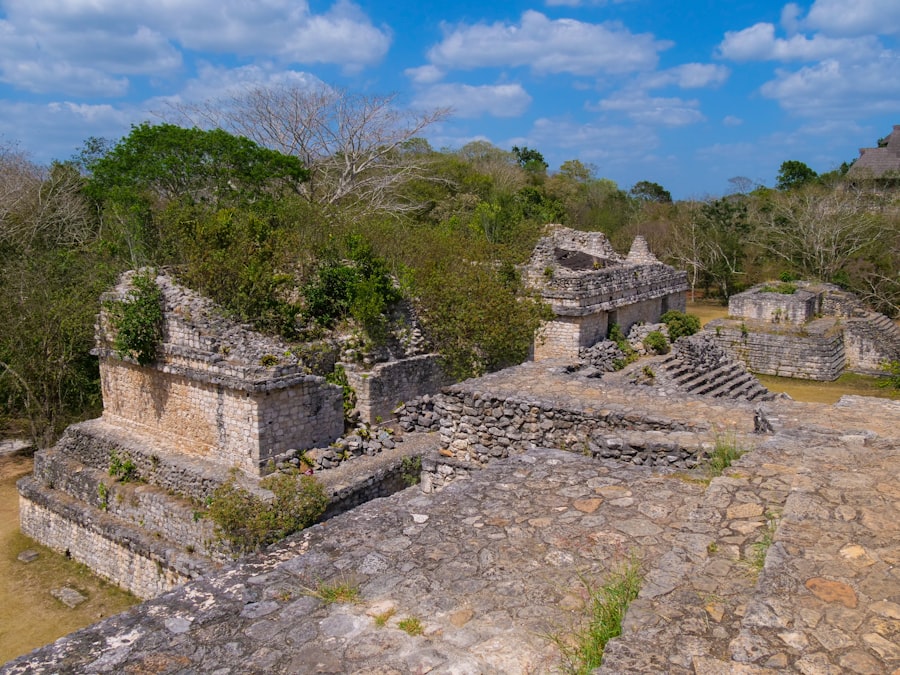
The British colonial era in Belize brought significant changes to the region’s economy and society. As you explore this period, you will find that the logging industry became a cornerstone of Belize’s economy. The demand for mahogany and other hardwoods surged in Europe, leading to an influx of laborers and settlers seeking opportunities in this burgeoning industry.
The establishment of plantations further transformed the landscape, as enslaved Africans were brought to work under harsh conditions. This dark chapter in history is a crucial part of Belize’s narrative, as it laid the groundwork for the diverse cultural heritage that exists today. During this time, you may also notice how governance evolved in Belize.
Initially governed as a part of Jamaica, Belize eventually became a separate colony known as British Honduras in 1862. The colonial administration faced numerous challenges, including conflicts with indigenous groups and economic fluctuations. However, it also laid the foundation for infrastructure development, including roads and schools.
As you reflect on this era, consider how these developments influenced modern Belizean society and contributed to its unique identity.
The Emancipation and the Rise of the Garifuna People
The abolition of slavery in 1838 marked a significant turning point in Belize’s history. As you delve into this transformative period, you will discover how emancipation not only changed the lives of formerly enslaved individuals but also paved the way for new cultural identities to emerge. Among these identities is that of the Garifuna people, descendants of African and indigenous Caribbean populations who settled along the coast of Belize after being exiled from their homeland.
As you learn about the Garifuna’s journey, you will find that their rich cultural heritage is characterized by vibrant music, dance, and culinary traditions. The Garifuna language is recognized as a UNESCO Intangible Cultural Heritage of Humanity, reflecting its importance in preserving their unique identity. You may also explore how the Garifuna community has played a vital role in shaping Belize’s cultural landscape through their contributions to art, music festivals, and community celebrations.
Their resilience and adaptability have allowed them to thrive while maintaining a strong connection to their roots.
Belize’s Independence and the Modern Era
| Period | Event | Details |
|---|---|---|
| Pre-1500s | Maya Civilization | Belize was inhabited by the Maya people, who built cities and developed a complex society. |
| 1500s | Spanish Exploration | Spanish explorers arrived but did not establish permanent settlements due to resistance and lack of resources. |
| 1600s-1700s | British Settlement | British settlers, mainly logwood cutters, began to settle in the area, leading to conflicts with Spain. |
| 1763 | Treaty of Paris | Spain ceded rights to the area to Britain, but sovereignty was not fully recognized. |
| 1862 | British Crown Colony | Belize was officially declared a British Crown Colony named British Honduras. |
| 1930s-1950s | Political Development | Rise of nationalist movements and labor unions advocating for self-governance. |
| 1964 | Self-Government | Belize gained internal self-government with a new constitution. |
| 1981 | Independence | Belize became an independent nation on September 21, 1981. |
| Post-1981 | Modern Era | Belize has developed as a democratic nation with a focus on tourism, agriculture, and environmental conservation. |
Belize’s journey toward independence was marked by a series of political movements and social changes throughout the 20th century. As you navigate this period, you will witness how Belizeans began to assert their desire for self-governance and autonomy from British colonial rule. The formation of political parties and grassroots movements played a crucial role in mobilizing public support for independence.
In 1981, after years of negotiations and activism, Belize finally achieved its long-awaited independence. In this modern era, you may observe how Belize has worked to establish its identity on the global stage while grappling with various challenges. Economic development, environmental conservation, and social issues remain at the forefront of national discourse.
As you reflect on contemporary Belizean society, consider how its diverse population continues to shape its political landscape and cultural identity. The spirit of independence is palpable as Belizeans celebrate their heritage while looking toward a future filled with possibilities.
Cultural Influences in Belize’s History
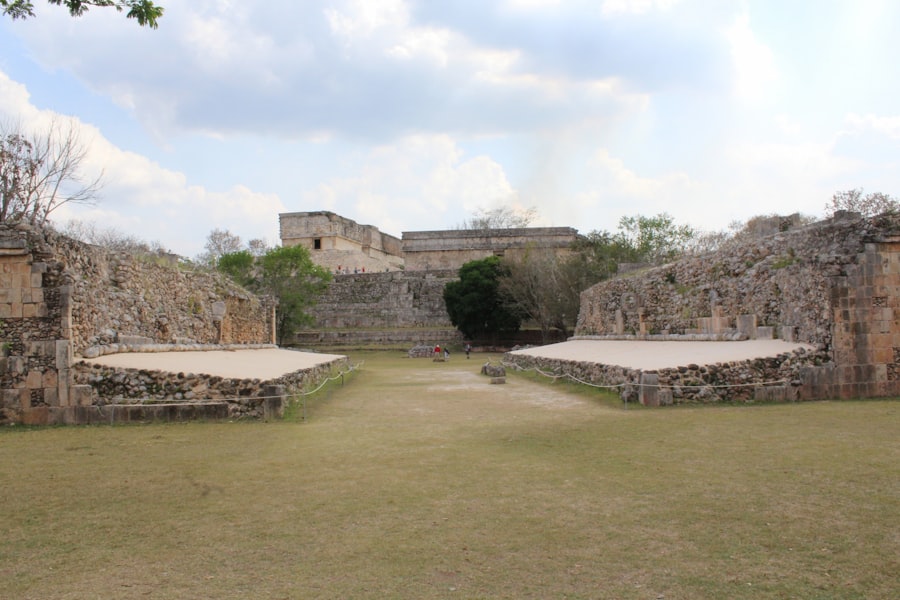
Belize’s history is a tapestry woven from various cultural influences that have shaped its identity over centuries. As you explore this rich cultural landscape, you will find that indigenous traditions coexist alongside African heritage and European influences. The fusion of these diverse elements has given rise to a unique Belizean culture characterized by vibrant festivals, music genres like punta and brukdown, and culinary delights such as rice and beans or tamales.
You may also notice how religious practices play a significant role in shaping cultural identity in Belize. The majority of Belizeans identify as Christian, with Catholicism and Protestantism being prominent denominations. However, indigenous beliefs and practices persist alongside these faiths, creating a rich spiritual tapestry that reflects the country’s diverse heritage.
As you engage with local communities and participate in cultural events, you’ll gain a deeper appreciation for how these influences continue to shape everyday life in Belize.
Belize’s Role in the Central American Region
Belize occupies a unique position within Central America due to its geographical location and historical context. As you examine its role in regional dynamics, you’ll find that Belize serves as a bridge between North America and Central America. This strategic position has made it an important player in trade routes and diplomatic relations within the region.
In recent years, Belize has also become increasingly involved in regional organizations such as CARICOM (Caribbean Community) and SICA (Central American Integration System). These partnerships aim to foster economic cooperation and address shared challenges such as climate change and security concerns. As you reflect on Belize’s role within Central America, consider how its diverse cultural heritage positions it as a vital contributor to regional dialogue and collaboration.
Preserving and Celebrating Belize’s History
As you contemplate the importance of preserving Belize’s history, you’ll recognize that efforts are underway to safeguard its cultural heritage for future generations. Museums, cultural centers, and educational programs play a crucial role in promoting awareness about Belize’s rich past. Initiatives aimed at preserving archaeological sites ensure that the stories of ancient civilizations continue to be told.
Celebrations such as Garifuna Settlement Day and Independence Day serve as powerful reminders of Belize’s journey through history. These events not only honor the struggles and triumphs of those who came before but also foster a sense of unity among diverse communities within Belize. As you participate in these celebrations or visit historical sites, you’ll gain a deeper understanding of how preserving history is essential for shaping national identity and fostering pride among Belizeans.
In conclusion, your exploration of Belize’s history reveals a complex narrative shaped by ancient civilizations, colonial struggles, cultural diversity, and modern aspirations. Each chapter contributes to the vibrant tapestry that defines this beautiful country today. By understanding and celebrating this history, you can appreciate not only where Belize has come from but also where it is headed in an ever-changing world.